
Start with the room. Then choose the right floor.
Explore material categories and bring your room conditions, design direction, and installation questions into one local conversation. These planning pages are not a claim of live inventory or published pricing.
Planning category
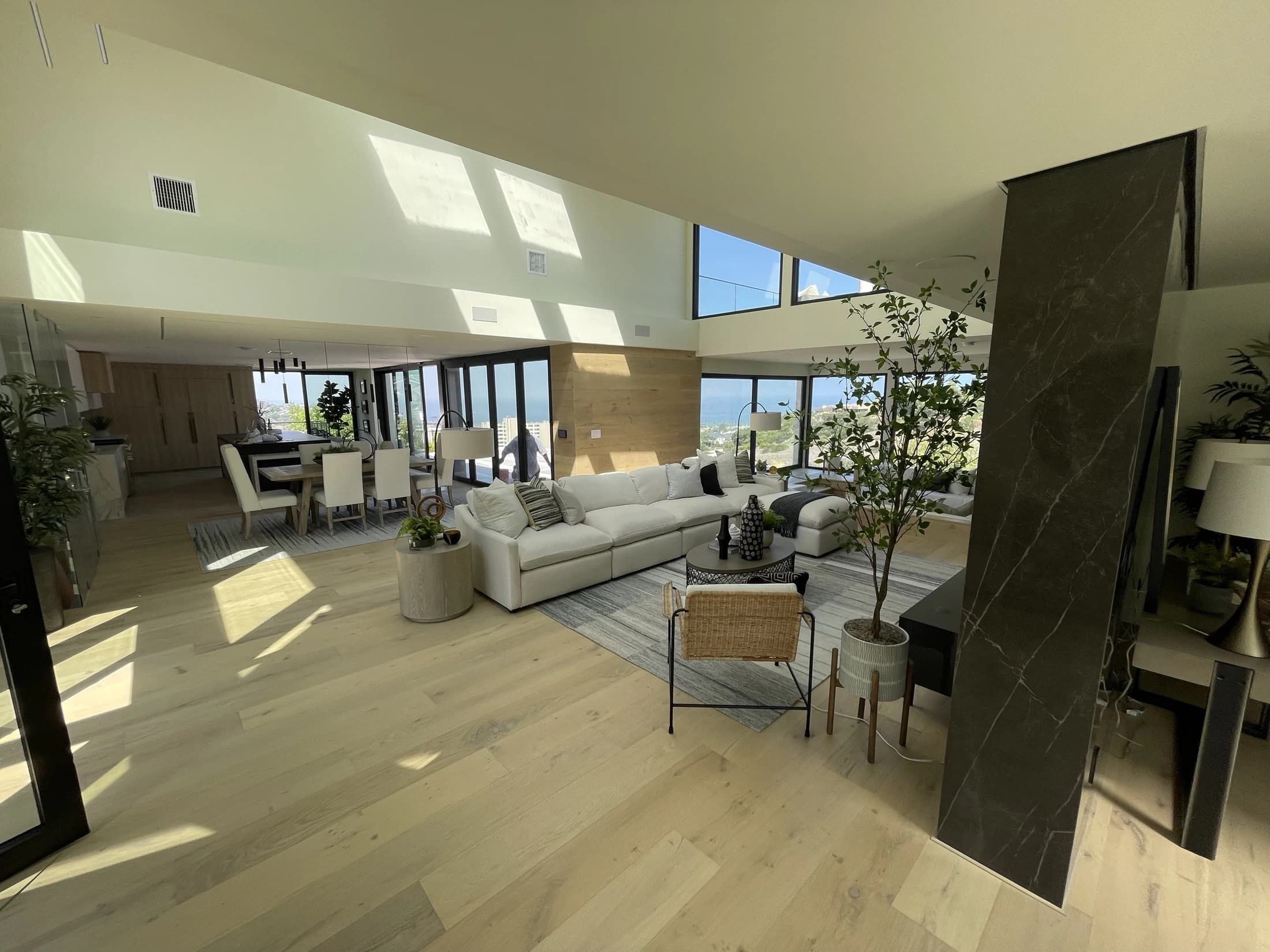
Hardwood flooring
Explore species, plank character, finish direction, and installation conditions with a flooring specialist.
Explore considerations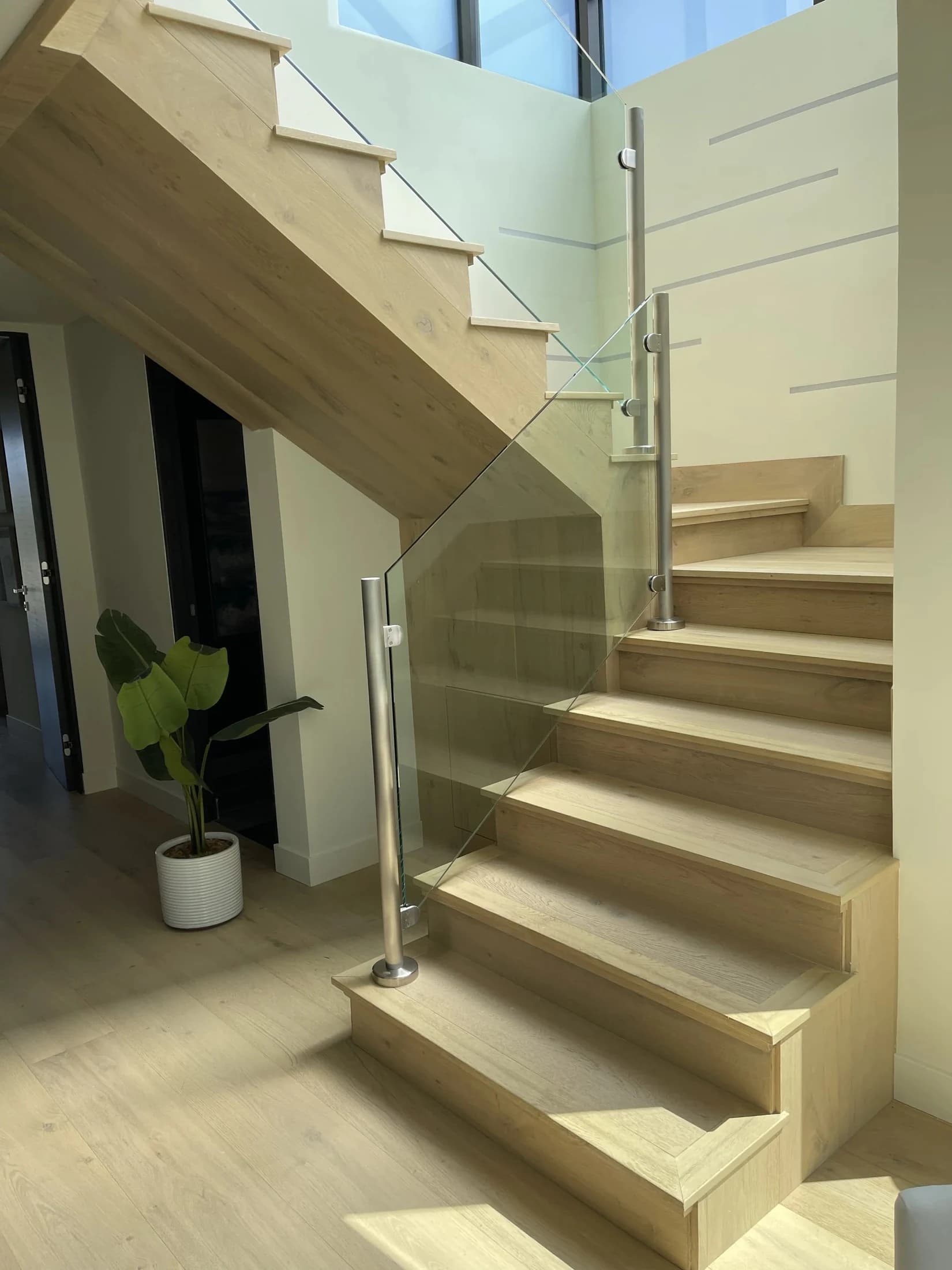
Planning category
Engineered wood flooring
Compare construction, wear-layer information, site conditions, and the transition plan before selecting a product.
Explore considerations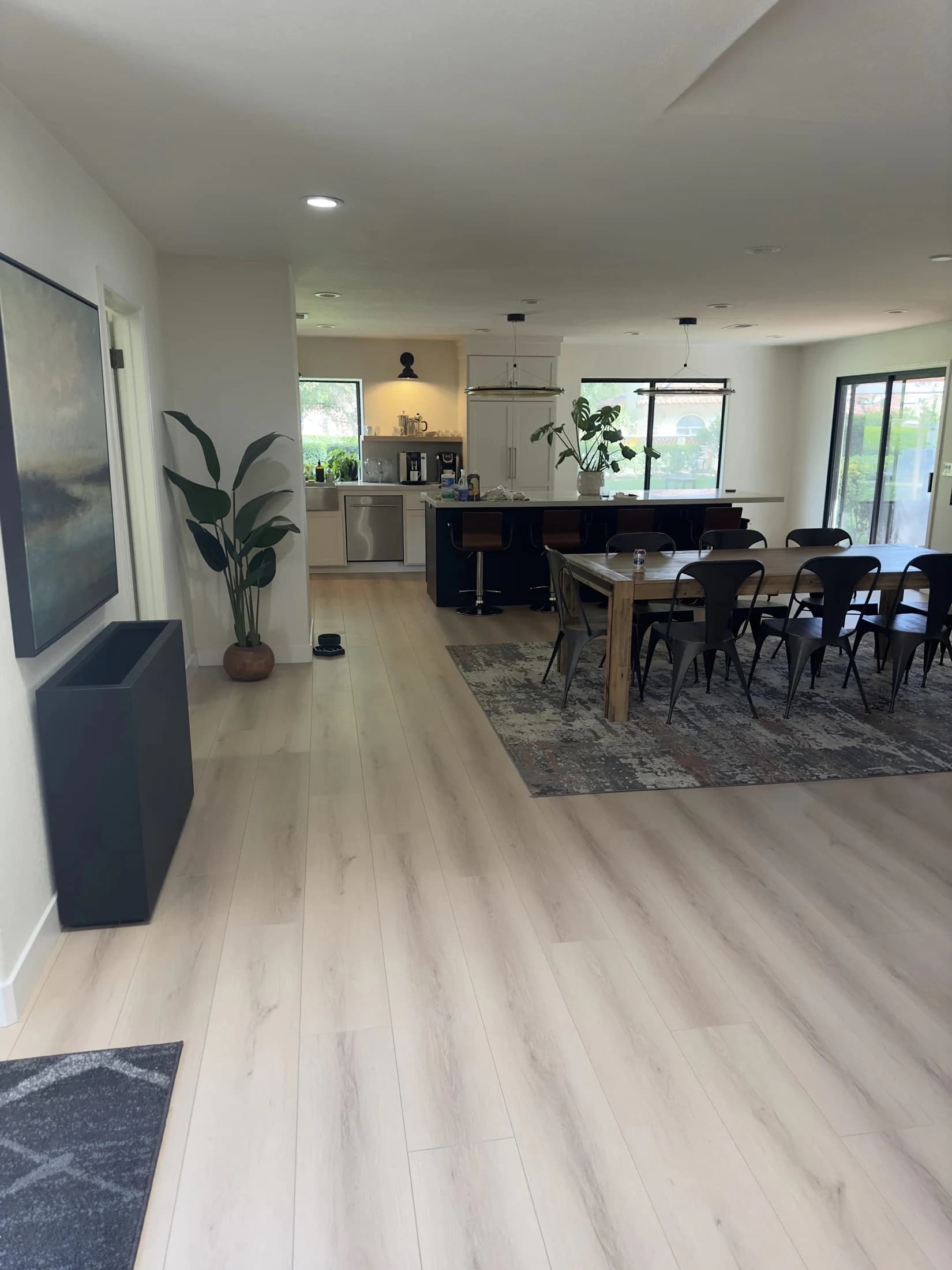
Planning category
Luxury vinyl flooring
Review appearance, product documentation, subfloor preparation, and room-specific needs before ordering.
Explore considerations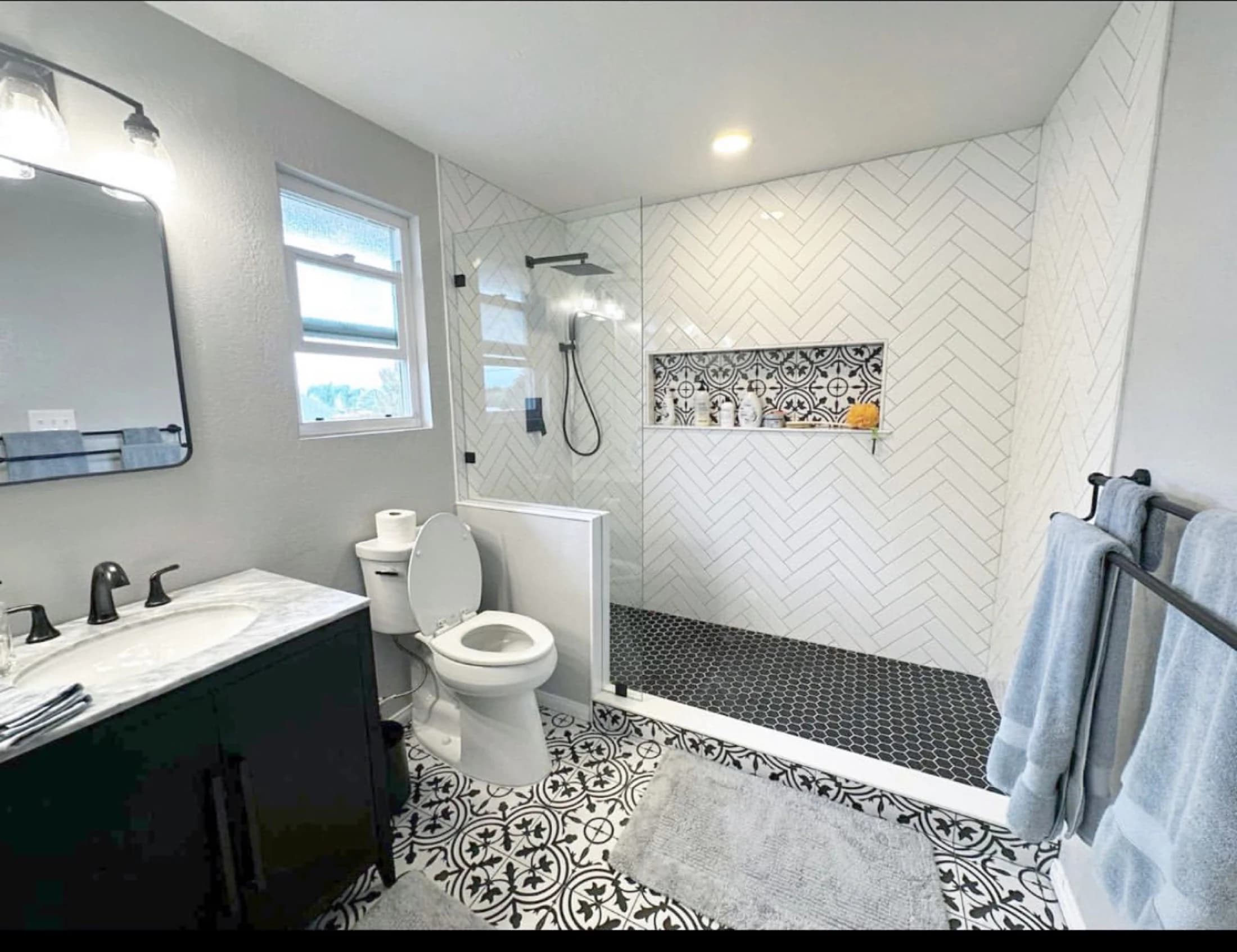
Planning category
Tile flooring
Plan tile format, layout, substrate preparation, movement joints, transitions, and finish details together.
Explore considerationsSide by side
Four floors, compared for San Diego conditions
Installed ranges are 2026 planning figures (Swell's own for hardwood, published San Diego and Southern California market guides for the rest). Your price is set in a written estimate after a measurement visit.
| Consideration | Solid hardwood | Engineered wood | Luxury vinyl | Tile |
|---|---|---|---|---|
| Installed range, 2026 | $8 to about $18 per sq ft (Swell planning range), before removal and prep | About $8 to $18 per sq ft (market range), before removal and prep | About $5 to $12 per sq ft (market range), before removal and prep | About $8 to $20 per sq ft (market range), before removal and prep |
| Over a concrete slab | Not directly; needs a plywood subfloor built over the slab, which adds height and cost | Yes, glued or floated, after a slab moisture test and any mitigation | Yes, glued or floated, after leveling; flatness matters more than with wood | Yes, the ideal substrate, with a crack isolation membrane where the slab is cracked |
| Refinishable | Yes, many times; recoat $2 to $4, full refinish $4 to $9 per sq ft (Swell planning ranges) | Depends on the wear layer; thick veneers a limited number of times, thin ones not at all | No; damaged planks are replaced, so keep spares | Not applicable; chipped tiles are replaced, grout is resealed or regrouted |
| Water and spills | Wipe promptly; not for bathrooms or laundry rooms; slow leaks cup and stain boards | Same as hardwood; the core swells after a flood | The plank resists surface water; water through seams still reaches the subfloor | The floor for wet rooms, with a waterproofing assembly behind shower tile |
| Dogs and kids | Marks on soft species and gloss finishes; matte oak or hickory holds up, and it can be refinished | Same surface behavior as hardwood; thin veneers cannot be sanded out | Thick wear layers resist nails and accidents; replace a plank rather than refinish | Nearly immune to scratches; dropped cast iron can chip a tile |
| Feel and resale | Warm, solid underfoot; valued by buyers and appraisers as a permanent floor | Real wood surface; glue-down feels like solid, floating can sound hollow | Cooler and softer; reads as vinyl up close and is valued differently from wood | Hard and cool; a plus in summer, a comfort question in bedrooms |
| Best rooms | Living areas, bedrooms, halls and stairs on a wood subfloor | Living areas and bedrooms on a slab, condos with sound rules, ADUs, wide-plank looks near the coast | Kitchens, laundry, hall baths, rentals and turnovers, ADUs and garage conversions | Bathrooms, showers, kitchens, entries, laundry and indoor-outdoor rooms |
| Lead time | Set when the order is placed, in writing; depends on species, width and season | Set when the order is placed, in writing; depends on the product line | Set when the order is placed, in writing; stocked lines move fastest | Set when the order is placed, in writing; special orders and stone take longer |
The short answer
Choose the floor by the room and by what is under it. Over a concrete slab, engineered wood, luxury vinyl and tile install directly; solid hardwood needs a wood subfloor. Wet rooms take tile or vinyl. Hardwood and thick-veneer engineered floors can be refinished; vinyl cannot. Tidal Flooring measures first and brings samples to your own light.
- Solid hardwood
- $8 to about $18 per sq ft installed (Swell's 2026 planning range); wood subfloors; refinishable for decades
- Engineered wood
- About $8 to $18 per sq ft installed (market range, 2026); goes over slab; refinishing depends on the wear layer
- Luxury vinyl
- About $5 to $12 per sq ft installed (market range, 2025 to 2026); goes over slab; water resistant; cannot be refinished
- Tile
- About $8 to $20 per sq ft installed (market range, 2026); wet rooms and indoor-outdoor; grout needs sealing
- Next step
- Free in-home measurement by Tidal Flooring, CSLB C-15 #1002910, before any written price
How to choose by room and conditions
Start with the subfloor, because it removes options before taste does. A concrete slab, which is most San Diego homes built after the 1960s and nearly every ADU, takes engineered wood, luxury vinyl or tile directly. Solid hardwood needs a wood subfloor, so on a slab it means building one up first. A raised foundation with a plywood or plank subfloor takes any of the four.
Then match the room. Bathrooms, showers and laundry rooms take tile or vinyl. Kitchens take any of the four if you accept that wood and a leaking dishwasher do not mix. Living rooms, bedrooms and halls are where hardwood and engineered wood earn their cost in feel and resale.
Finally, check the building rules. Upper-floor condos usually require a tested sound rating under any hard floor and an HOA approval letter before work starts, which points toward engineered wood or vinyl over an acoustic underlayment.
The honest trade-offs
Every floor on these pages has a limit, and the pages say so. Solid hardwood can be refinished for decades but costs the most installed and cannot go straight onto a slab. Engineered wood goes over a slab and stays flat in wide planks, but whether it can ever be sanded depends on the wear layer. Luxury vinyl handles water, dogs and rentals and costs the least, but it can never be refinished and does not carry the resale weight of wood. Tile lasts longest and belongs in wet rooms, but it is hard underfoot and its grout needs upkeep. The comparison table puts these side by side; shortlist two floors, then let samples and a measurement decide.
How samples and measurement work
Samples come to your house, not the other way around, because a plank that looks right under showroom lights can go orange or grey in a north-facing San Diego living room. You compare them on your floor, in daylight and lamplight, next to your cabinets, trim and the room they will meet. The product sheet with the wear layer or tile rating comes with each sample.
Measurement comes before any price. A Tidal Flooring specialist records the areas, identifies the subfloor, tests moisture where there is a slab or a wet room, and notes transitions, stairs and access. That visit is free in San Diego County and produces a written scope with removal, prep, material, installation and trim as separate lines.
What these pages are and are not
These are planning pages, not live inventory. Every range is either Swell's own planning range, marked as such, or a market range from a named San Diego or Southern California guide with its year. Your price is the written estimate after a measurement visit by Tidal Flooring, CSLB C-15 #1002910.
Choosing a floor: questions we hear
Which flooring is right for a coastal San Diego home?
Engineered wood or porcelain tile for most coastal homes, with solid hardwood where there is a wood subfloor. Marine air and open sliders move moisture through a house all day, so wide solid planks gap and cup more than engineered boards, and sun through west-facing glass fades some vinyl. Acclimation, expansion gaps and the manufacturer's sun guidance matter more at the coast than inland.
What floor can I install over a concrete slab?
Engineered wood, luxury vinyl and tile, all of which glue, float or set directly over a flat, sound slab. Solid hardwood cannot be nailed to concrete; it needs a plywood subfloor built over the slab first, which raises height and cost. Whatever you choose, slab moisture is tested at the measurement visit, because a damp slab needs mitigation before wood or adhesive goes down.
What is the right flooring for dogs?
Luxury vinyl with a thick wear layer resists nails and accidents better than any wood finish and swaps plank by plank when damaged. Porcelain tile is nearly immune but hard and cool. If you want wood with dogs, choose a hard species such as oak or hickory in a matte finish, keep nails trimmed, and plan on a screen and recoat at $2 to $4 per square foot when the scratches add up.
What flooring should I use for a rental turnover?
Luxury vinyl plank for most units: it installs over a slab without a cure period, tolerates hard use and spills, lets you replace single planks between tenants, and sits at the low end of hard-surface cost. Where a unit has original hardwood, a screen and recoat at $2 to $4 per square foot or a full refinish at $4 to $9 is often cheaper than replacing it. Property teams can start on the trade page.
Can you match my existing hardwood floors?
Usually, if the existing floor is solid or thick-veneer wood. New unfinished boards of the same species and width are laced into the old floor and the whole area is sanded and finished together, so color and sheen match. Prefinished floors are harder to match board for board because factory colors change, so we often refinish the room instead. Bring a loose board or a photo to the measurement.
Do you sell flooring material only, without installation?
Tidal Flooring is an installer first, and these pages are not an inventory feed. Whether we supply material without installation for a given project is settled case by case when you introduce the project; the trade page covers supply and install and install-only labor for professionals. For homeowners, the measurement visit and written scope are the place to ask.
Planning information, not a quote or an inventory list. Prices are set in a written estimate after a site visit. Last reviewed October 2026.
- Family Interiors, cost to install hardwood floors in San Diego (January 2026)
- GreatBuildz, flooring cost in Southern California (October 2026)
- King Remodeling, kitchen remodel cost in San Diego, flooring line items (May 2026)
- Fixr, luxury vinyl plank flooring cost, national (updated January 2025)
- King Remodeling, hardwood floor refinishing cost and process in San Diego (May 2026)
- CSLB, Check a License (verify C-15 #1002910 and B #970145)